About Vermi compost
- Nutrient-Rich: TrustBasket Vermicompost for plants is a nutrient-packed enhancer for your soil. Enriched with essential minerals, vitamins, and beneficial microorganisms, it provides the perfect nourishment for your plants to flourish.
- Eco-Friendly: Unlike synthetic fertilisers, TrustBasket Vermicompost is an eco-conscious choice. By recycling organic waste through the power of worms, you contribute to a healthier planet.
- Pure & Organic: TrustBasket Vermicompost is free from seeds, chemicals, and harmful pathogens. Also, it does not contain any additives like charcoal, coco peat, or soil to increase its weight or volume.
- Better Plant Growth: Vermicompost improves soil structure, aeration, and water retention in your plants fostering robust root development. It also attractsR deeply burrowed worms to your garden.
- Disease Resistance: The beneficial microbes in our vermicompost help your plants ward off harmful diseases and pests naturally.
- Easy to Use: Incorporating our vermicompost into your gardening routine is very easy. Simply, loosen the topsoil, apply vermicompost near the roots and water the media.
-
Nutrient-Rich Organic SolutionVermicompost delivers essential nutrients like nitrogen, phosphorus, and potassium directly to plants, fostering stronger and healthier growth. Its organic carbon content enhances soil structure, and the controlled nutrient release improves overall soil fertility.
Safe and Sustainable AgricultureManufactured from cow dung and agricultural waste using earthworms, vermicompost is entirely organic, free from pathogens and heavy metals. Its eco-friendly composition makes it ideal for sustainable farming, horticulture, and home gardening.
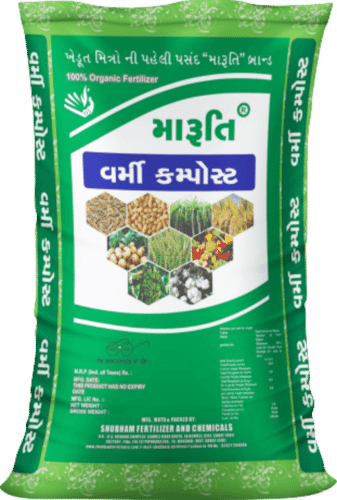
Convenient Application and StorageThe product comes in durable HDPE packaging, available in 25 kg and 50 kg options, and can be stored for up to 24 months in cool, dry conditions. Application is straightforward, with dosage typically ranging from 12 tons per acre, adaptable to specific crop requirements.
FAQs of Vermi compost:
Q: How is vermicompost produced and what materials are used in its manufacturing?
A: Vermicompost is made through the controlled decomposition of cow dung and agricultural waste with the help of earthworms. These earthworms break down organic matter into nutrient-rich compost, resulting in a product free from pathogens and heavy metals.
Q: What is the recommended dosage for using vermicompost in agriculture and gardening?
A: The typical application rate of vermicompost ranges from 1 to 2 tons per acre, but the exact quantity may vary depending on soil conditions and crop requirements. Always adjust the dosage based on specific needs for optimal results.
Q: When is the best time to apply vermicompost to soil?
A: Vermicompost can be applied before planting, during soil preparation, or as a top dressing during the growing season. For most crops, integrating vermicompost at the beginning of the growth cycle ensures maximum nutrient availability.
Q: Where should vermicompost be stored to preserve its quality and shelf life?
A: Store vermicompost in a cool, dry place to maintain its nutrient content and prevent moisture buildup. The products shelf life is up to 24 months when kept in its original HDPE packaging away from direct sunlight or water exposure.
Q: What are the benefits of using vermicompost in horticulture and agriculture?
A: Vermicompost enhances soil structure, boosts microbial activity, and supplies essential nutrients such as nitrogen, phosphorus, and potassium. These benefits translate into improved plant growth, higher yields, and sustainable soil health.
Q: Is vermicompost safe for organic farming, and are there any contaminants to be concerned about?
A: Yes, vermicompost is certified as organic and is free from pathogens and heavy metals. It is suitable for organic agricultural systems and poses no risk of chemical contamination.
Q: How does controlled nutrient release in vermicompost benefit crops?
A: The composts controlled nutrient release prevents leaching, ensuring a steady supply of nutrients throughout the plants growth cycle. This fosters robust development and reduces the chance of nutrient deficiencies.





 Send Inquiry


 Send Inquiry
 Send Inquiry
 Send SMS
 English
 Spanish
 French
 German
 Italian
 Chinese (Simplified)
 Japanese
 Korean
 Arabic
 Portuguese